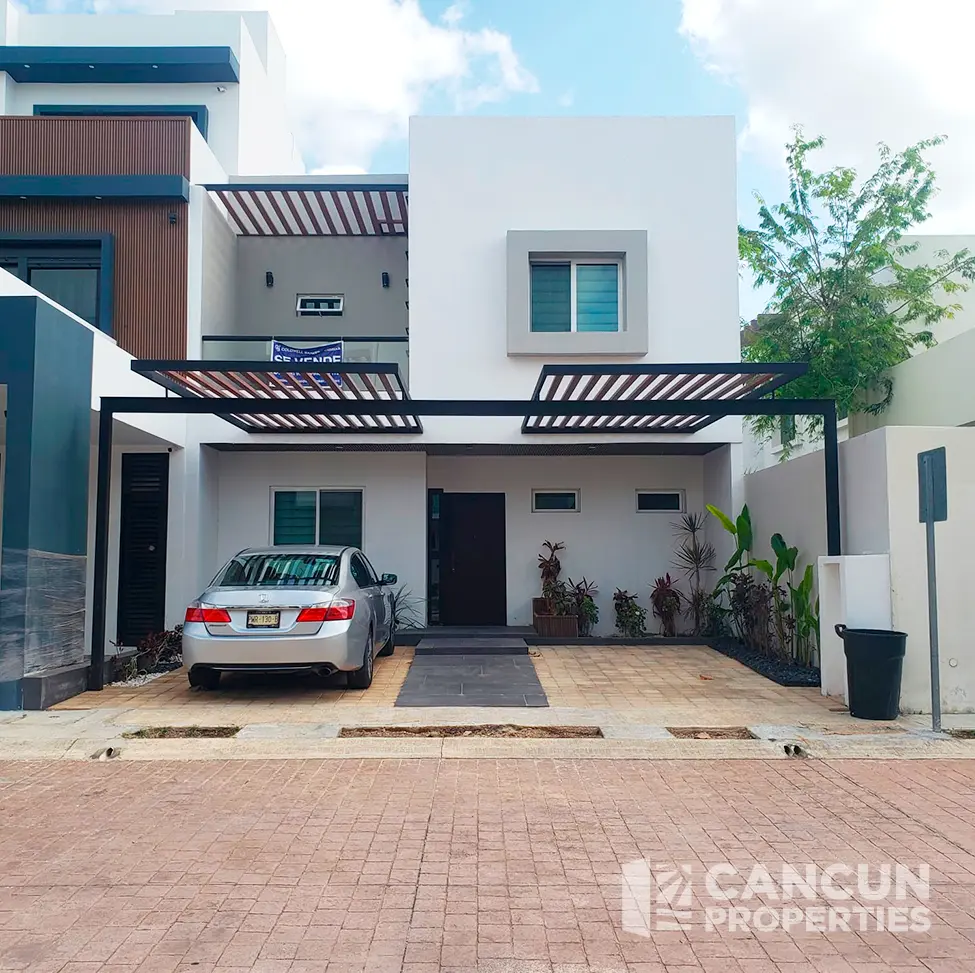

Discover why Cancun real estate investment continues attracting international buyers. Learn about ownership, and investment opportunities.
Is Cancun Real Estate a Good Investment?
Cancun can be an attractive real estate market for international investors seeking a vacation home, rental property, retirement residence, or long-term asset in Mexico. Its appeal is supported by an internationally recognized tourism economy, air connectivity, modern residential developments, and demand from both visitors and residents.
That does not mean every property in Cancun is automatically a good investment. Results vary according to the purchase price, neighborhood, building quality, property management, rental rules, maintenance expenses, financing terms, and exit strategy. Buyers should evaluate each opportunity using realistic income and expense assumptions rather than relying on advertised returns.
Quick Answer for International Buyers
Cancun real estate may suit investors who want exposure to a tourism-driven market and are prepared to complete legal, financial, and property-level due diligence. Foreigners can legally acquire residential property in Cancun, commonly through a Mexican bank trust known as a fideicomiso because Cancun is within Mexico’s restricted coastal zone.
Why the Cancun Property Market Continues to Thrive
Cancun Has an Established International Tourism Economy
Cancun is not an emerging destination that depends on future recognition. It is an established international vacation market with hotels, resorts, restaurants, marinas, shopping centers, medical services, entertainment venues, and transportation infrastructure.
Tourism supports demand for accommodations across several categories, including hotels, all-inclusive resorts, vacation rentals, extended-stay properties, and luxury residences. This variety can create opportunities for owners whose properties match the expectations of a clearly defined guest segment.
Investors should still examine recent destination-level data before purchasing. Tourism volume, occupancy, visitor origin, average stay, and seasonality can change over time. The Quintana Roo Tourism Secretariat publishes updated tourism indicators that buyers can use as part of their market research.
Direct Air Access Supports International Demand
Cancun International Airport connects the Mexican Caribbean with major cities in the United States, Canada, Latin America, and Europe. Convenient access matters to property investors because vacation-home buyers and short-term rental guests often prioritize destinations that can be reached without complicated ground transportation or multiple flight connections.
For U.S. buyers, Cancun’s relative proximity can make it more practical to visit a property, supervise renovations, use a second home, or meet with a local property manager. Air service can change, so investors should verify current routes from the cities most relevant to their target guests.
Cancun Appeals to Several Buyer Profiles
The market does not depend on one type of purchaser. Cancun properties can appeal to international investors, Mexican buyers, retirees, second-home owners, remote professionals, lifestyle buyers, and families relocating within Quintana Roo.
This broad audience supports multiple real estate strategies. A beachfront condominium may target vacationers, while a well-located apartment near services may be better suited to long-term tenants. A luxury marina residence serves a different customer than an entry-level unit in downtown Cancun.
The Market Offers Lifestyle and Investment Value
Many international buyers are not looking for a purely financial asset. They also want personal use, warm weather, Caribbean beaches, dining, boating, golf, cultural attractions, and access to destinations across the Riviera Maya and Yucatan Peninsula.
This combination of lifestyle and investment utility can distinguish Cancun from markets where a property is purchased only for rental income. Owners may use the residence during selected periods and rent it at other times, subject to condominium rules, local regulations, and management agreements.
New Development Expands Buyer Choice
Cancun and nearby communities continue to offer new condominiums, master-planned neighborhoods, branded residences, gated communities, and mixed-use developments. New construction can provide modern amenities, efficient layouts, security systems, pools, coworking areas, gyms, and property-management options.
Pre-construction property may offer staged payment plans or early access to a project, but it also introduces construction, delivery, permitting, and developer risks. Investors should verify land ownership, permits, contracts, escrow or payment safeguards, delivery obligations, and the developer’s completed-project history before transferring funds.
Can Foreigners Buy Property in Cancun?
Yes. U.S. citizens, Canadians, and other foreign buyers can acquire residential property in Cancun. Because Cancun is located within Mexico’s constitutionally defined restricted zone near the coast, foreign individuals commonly hold residential property rights through a fideicomiso.
How a Fideicomiso Works
A fideicomiso is a trust agreement established with a Mexican bank. The bank acts as trustee, while the foreign purchaser is named as beneficiary. The beneficiary can generally use, lease, improve, sell, or transfer beneficiary rights to the property, subject to the trust agreement and Mexican law.
Mexico’s Ministry of Foreign Affairs states that permits for restricted-zone trusts allow foreign beneficiaries to use and benefit from qualifying real estate. The trust must be documented in a public deed. Current government guidance describes an authorized term of up to 50 years, which may be renewable under the applicable rules.
The bank does not operate the home as though it owns the investment for its own benefit. Its role is defined by the trust. Buyers should have an independent Mexican real estate attorney explain the agreement, renewal provisions, beneficiary designations, bank fees, transfer procedures, and succession planning before closing.
Do Not Rely Only on the Seller’s Representative
International buyers should retain independent legal counsel. The notary public involved in a Mexican transaction performs an important legal and formal role, but the buyer may also need an attorney who represents the buyer’s specific interests, reviews the contract, coordinates due diligence, and explains obligations in clear English.
Best Areas for Cancun Real Estate Investment
The best location depends on the investment objective. Buyers should compare acquisition cost, access, rental audience, operating expenses, nearby development, property condition, and resale competition.
Puerto Cancun
Puerto Cancun is a luxury master-planned area combining residences, marina access, retail, dining, and proximity to the Hotel Zone and downtown. It may appeal to buyers seeking upscale condominiums, waterfront living, boating amenities, and a high-end residential environment.
Investors should evaluate homeowners’ association fees, marina-related expenses where applicable, rental restrictions, inventory competition, and the premium paid for views or water access.
Cancun Hotel Zone
The Hotel Zone offers beach access, recognizable resort surroundings, restaurants, nightlife, and strong visitor awareness. Properties here may be positioned for personal use or vacation rentals, depending on the building’s rules and legal operating requirements.
Buyers should examine the age and condition of the building, hurricane protection, insurance availability, maintenance history, beach conditions, reserve funds, and short-term rental policies
Costa Mujeres and Playa Mujeres
North of central Cancun, the Costa Mujeres and Playa Mujeres area has attracted resort and residential development. It may interest buyers looking for newer communities, luxury projects, beach-oriented living, or longer-term growth potential.
Investors should verify travel times, surrounding construction, infrastructure delivery, access roads, future supply, and whether the property is located in Cancun, Isla Mujeres municipality, or another jurisdiction with different procedures or regulations.
Downtown Cancun
Downtown Cancun can provide access to schools, hospitals, supermarkets, restaurants, offices, and local employment centers. It may be better aligned with long-term residential demand than a property designed primarily for tourists.
Downtown investments should be evaluated block by block. Parking, traffic, walkability, nearby services, security features, building management, and tenant profile can significantly affect marketability.
Areas Near Cancun
Some buyers use the term “Cancun real estate” when considering a wider region that includes Puerto Morelos, Playa del Carmen, Isla Mujeres, and other Mexican Caribbean destinations. These are distinct markets. Each has different pricing, tourism patterns, development conditions, municipal requirements, and rental audiences.
A buyer should avoid treating the entire Riviera Maya as one interchangeable investment market. Compare each property’s actual micro-location and demand drivers.
Types of Cancun Investment Properties
Beachfront and Ocean-View Condominiums
Beachfront and ocean-view condos are among the most visible Cancun property types. They can appeal to vacationers and second-home buyers, but waterfront ownership may involve higher maintenance, insurance, corrosion-control, and association expenses.
Pre-Construction Condominiums
Pre-construction units can offer modern amenities and phased payment schedules. The central question is not whether a rendering looks attractive, but whether the project is legally, financially, and operationally sound.
Review the developer, title, permits, specifications, completion schedule, cancellation terms, delivery remedies, property-management plan, and projected association budget.
Resale Properties
A resale unit allows the buyer to inspect an existing property, building, location, and operating history. It may also provide actual maintenance records or rental statements. However, past performance does not guarantee future results, and financial documents should be independently verified.
Luxury Villas and Gated Homes
Villas may serve families, groups, long-stay visitors, or buyers seeking privacy. Investors should account for staffing, pool and garden care, utilities, security, insurance, and potentially higher repair expenses.
Commercial Real Estate
Cancun also has retail, hospitality, office, and mixed-use opportunities. Commercial property requires a different analysis involving tenant credit, lease terms, permitted use, local competition, operating expenses, and business-cycle sensitivity.
Cancun Rental Income Potential
Rental income is one of the main reasons international investors consider Cancun, but returns should never be assumed from tourism popularity alone. A property’s financial performance depends on its exact location, rental permissions, nightly or monthly rate, occupancy, guest reviews, management quality, operating expenses, and owner-use schedule.
Short-Term Vacation Rentals
Short-term rentals can generate higher gross rates during popular travel periods, but they usually require active management. Typical responsibilities include marketing, guest communication, cleaning, check-in support, pricing, maintenance, supplies, tax compliance, and review management.
Before purchasing, confirm that short-term rentals are permitted by the condominium documents, trust structure, local requirements, and any applicable platform or tax rules. Permission should be verified in writing rather than assumed from another owner’s activity.
Long-Term Rentals
Long-term rentals may provide more predictable occupancy and lower turnover costs. They can be suitable in residential areas near employment, schools, hospitals, universities, transportation, and daily services.
The tradeoff is that monthly income may be lower than the gross revenue advertised for peak-season vacation rentals. Investors should compare net income, not only the highest possible nightly rate.
Calculate Net Return, Not Gross Revenue
A realistic rental analysis should subtract all recurring and occasional expenses from expected revenue. These may include:
- Property-management fees
- Homeowners’ association fees
- Trust administration fees
- Property taxes
- Insurance
- Utilities and internet
- Cleaning and guest supplies
- Repairs and replacement reserves
- Marketing or booking-platform charges
- Accounting and tax compliance
- Vacancy and seasonal pricing changes
Request conservative, base-case, and optimistic projections. Do not treat a developer’s advertised return as guaranteed income unless the contractual guarantee has been reviewed for its duration, conditions, funding, exclusions, and enforceability.
Costs International Buyers Should Consider
The purchase price is only one part of a Cancun real estate investment. Buyers should obtain a written closing estimate and a separate annual operating budget before signing a binding agreement.
Acquisition and Closing Costs
Depending on the transaction, costs may include acquisition tax, notary fees, registration, appraisals, certificates, legal services, trust setup, bank charges, and administrative expenses. The amount varies by property, transaction structure, value, lender requirements, and current regulations.
Ongoing Ownership Expenses
Ongoing expenses can include annual trust fees, property tax, association dues, maintenance, insurance, utilities, accounting, management, repairs, and replacement reserves. Oceanfront buildings may require more frequent exterior and mechanical maintenance because of salt, humidity, wind, and storms.
Currency Risk
International investors should understand the currency used for the purchase, financing, rent, expenses, and eventual resale. A property priced or negotiated with reference to U.S. dollars may still involve obligations payable in Mexican pesos. Exchange-rate changes can affect both costs and realized returns.
Taxes
Rental income and property sales may create Mexican tax obligations. A foreign owner’s tax treatment can also depend on residency, ownership structure, home country, and applicable tax agreements. Obtain advice from qualified Mexican tax and legal professionals and, when appropriate, an advisor in your home country.
Risks of Cancun Real Estate Investment
Cancun offers genuine opportunities, but responsible investment content must also address risk. Common concerns include title problems, unqualified developers, delayed construction, unclear rental permissions, underestimated expenses, storm exposure, changing tourism demand, excessive new supply, currency movements, and difficult resale conditions.
Title and Land-Use Risk
Confirm that the seller has the legal right to transfer the property and that the title, boundaries, liens, permits, land use, and condominium regime are in order. Special care may be required for land with an agrarian or ejido history. Never assume that possession, a private agreement, or a sales brochure is equivalent to clear title.
Developer and Construction Risk
For new developments, investigate the developer’s legal entity, completed projects, delivery record, financing, permits, construction progress, and customer disputes. The contract should state what is being delivered, when it will be delivered, and what happens if obligations are not met.
Climate and Insurance Risk
Cancun is exposed to tropical weather. Buyers should inspect drainage, windows, waterproofing, emergency systems, generators, building reserves, and storm procedures. Confirm available insurance coverage and understand exclusions, deductibles, claim procedures, and association-level coverage.
Liquidity and Resale Risk
Real estate is not a liquid investment. A property may take time to sell, especially if many similar units are available. Buyers should consider who is likely to purchase the property later, how it will compare with newer inventory, and what transaction costs may apply at resale.
How to Buy an Investment Property in Cancun
Define the Investment Objective
Decide whether the priority is rental income, personal use, retirement, capital preservation, long-term appreciation, or a combination of goals.
Set a Complete Budget
Include the purchase price, closing costs, furnishing, repairs, trust expenses, association dues, insurance, management, taxes, and reserves.
Choose the Rental Strategy
Determine whether the property should serve short-term guests, seasonal visitors, long-term tenants, or the owner’s personal-use schedule.
Compare Neighborhoods
Evaluate actual travel times, beach access, services, construction activity, tenant demand, rental restrictions, and competing inventory.
Hire Independent Professionals
Use a qualified real estate advisor, independent Mexican attorney, notary public, tax advisor, inspector, and other specialists appropriate to the transaction.
Complete Legal and Physical Due Diligence
Review title, liens, permits, condominium documents, association finances, contracts, utility status, property condition, and seller authority.
Verify the Financial Model
Use documented comparable properties and realistic expenses. Stress-test the investment for lower occupancy, repairs, currency changes, and slower resale.
Close Through the Proper Legal Process
Coordinate the public deed, trust when required, tax payments, registration, funds transfer, possession, and delivery of original documents.
Establish Local Management
Arrange maintenance, bill payment, accounting, insurance, guest or tenant support, inspections, and emergency response before the property begins operating.
Who Should Consider Investing in Cancun?
Cancun may suit buyers who understand international ownership, can hold the property through market cycles, maintain adequate cash reserves, and value both investment potential and personal use.
It may be less suitable for buyers who need guaranteed returns, immediate liquidity, passive ownership without professional management, or a transaction completed without independent legal review. Investors who rely on aggressive occupancy assumptions or use all available capital for the down payment may be especially exposed to unexpected costs.
Why Local Expertise Matters
Online listings can help buyers explore the market, but they rarely provide the complete investment picture. Two similar units may have very different association rules, title histories, operating costs, rental permissions, views, noise levels, building reserves, or resale prospects.
A knowledgeable local advisor can help international investors compare properties according to the intended strategy rather than presenting every available listing as an opportunity. The advisor should also encourage independent legal and financial review instead of replacing it.
Frequently Asked Questions About Cancun Real Estate Investment
Is Cancun real estate a good investment for foreigners?
Cancun can be attractive to foreign investors because of its tourism economy, international accessibility, property variety, and lifestyle appeal. The quality of an investment depends on the individual property, purchase terms, rental permissions, expenses, legal status, and management plan.
Can Americans buy property in Cancun?
Yes. Americans can buy residential property in Cancun. Because Cancun is in Mexico’s restricted coastal zone, an individual foreign buyer commonly acquires beneficiary rights through a Mexican bank trust called a fideicomiso.
Do foreigners truly control property held in a fideicomiso?
The foreign buyer is generally named as the trust beneficiary and can exercise rights described in the trust, such as using, leasing, improving, or transferring the property. The exact rights and procedures should be confirmed by an independent Mexican attorney before closing.
Can I operate an Airbnb or vacation rental in Cancun?
A property may be eligible for short-term rental use, but buyers must verify condominium rules, local requirements, tax obligations, registration requirements, and management restrictions. Never assume that all Cancun condominiums permit vacation rentals.
What is the best area to invest in Cancun?
There is no single best area for every investor. Puerto Cancun may appeal to luxury buyers, the Hotel Zone may suit tourism-focused strategies, Costa Mujeres may attract buyers seeking newer development, and downtown Cancun may better support long-term residential demand.
What return can a Cancun rental property generate?
There is no reliable return that applies to every property. Net performance depends on the purchase price, occupancy, rates, seasonality, management, association fees, taxes, maintenance, financing, owner use, and eventual resale value. Request property-specific projections and independently verify the assumptions.
Is pre-construction property in Cancun a good investment?
Pre-construction property can provide access to new inventory and phased payments, but it carries developer, permitting, construction, delivery, and market risks. Buyers should investigate the project and have the purchase agreement independently reviewed.
What closing costs apply when buying in Cancun?
Closing expenses vary but may include acquisition tax, notary fees, registration, appraisals, certificates, legal services, trust setup, and bank charges. Request a written estimate based on the specific property and transaction.
Are property taxes high in Cancun?
Mexican property tax is often viewed as modest compared with some U.S. markets, but buyers should obtain the actual current tax statement for the property. Total ownership costs also include trust fees, association dues, insurance, maintenance, utilities, and management.
Can foreign buyers obtain financing?
Financing may be available through selected Mexican lenders, international mortgage providers, developers, or private arrangements. Terms, down payments, interest rates, currency, fees, and eligibility vary. Compare the total borrowing cost with a cash purchase and obtain legal advice before signing financing documents.
How long does it take to buy property in Cancun?
The timeline depends on title verification, trust authorization, notary coordination, financing, document preparation, tax matters, and the parties’ readiness. Buyers should prioritize a properly completed transaction over an unrealistically fast closing.
What documents should I review before purchasing?
Important documents may include the title, lien certificate, property-tax records, utility status, permits, condominium regime, association rules, financial statements, meeting minutes, purchase contract, trust documents, identification of the legal seller, and developer documentation for new construction.
Final Thoughts
Cancun real estate investment continues to thrive because the city combines an established tourism identity, international access, Caribbean lifestyle, varied housing inventory, and legal pathways for foreign ownership. These strengths can support long-term buyer interest, but they do not eliminate investment risk.
The best opportunities are not necessarily the properties with the most impressive renderings or the highest advertised returns. Strong investments begin with the right location, transparent ownership, realistic financial analysis, sound building management, and a strategy aligned with the buyer’s goals.
International investors should compare multiple properties, verify every material claim, and work with independent professionals before committing funds. A disciplined process can help buyers identify a Cancun property that offers both practical lifestyle value and credible investment potential.
Find the Right Cancun Investment Property
Are you comparing Cancun condos, beachfront residences, gated communities, or pre-construction opportunities? Receive a personalized selection based on your budget, preferred location, rental strategy, property type, and expected use.
Request a Cancun property investment consultation to discuss current listings and the steps involved in purchasing real estate as an international buyer.
Authoritative Resources
Mexico Ministry of Foreign Affairs: Restricted-Zone Fideicomiso Permits
Mexican Consular Guidance: Acquisition of Property in Mexico
Quintana Roo Tourism Secretariat: Tourism Indicators
Quintana Roo Monthly Tourism Reports
INEGI: Mexico Tourism Statistics