The Ultimate Guide to Cancun Real Estate: Investing in Paradise
Cancun real estate has evolved far beyond the traditional image of vacation homes beside turquoise water. The market now serves several distinct groups at once: international buyers seeking a second home, families relocating to the Mexican Caribbean, retirees planning a seasonal lifestyle, entrepreneurs building rental portfolios, and investors pursuing long-term capital appreciation. That diversity gives the city a broader property market than many resort destinations, but it also makes careful selection essential. A beachfront condo, a residence near Avenida Huayacán, and a pre-construction unit in a resort development may all carry a Cancun address, yet they can behave like completely different investments.
The strongest opportunities are rarely defined by a beautiful view alone. They appear when legal security, useful location, construction quality, operating costs, rental demand, and resale liquidity support one another. Buyers must understand who will use the property, what that person will pay, how often the unit can be occupied, and which expenses will reduce the advertised return.
1. Why Cancun Real Estate Attracts International Buyers
Cancun combines lifestyle appeal with a large tourism economy and unusually strong international access. The city is connected to major markets in the United States, Canada, Europe, Latin America, and other parts of Mexico. According to airport operator ASUR, Cancun International Airport handled more than 29 million passengers in 2025. Passenger volume fluctuates from year to year, but the scale of the airport illustrates the depth of the destination’s travel market.
Tourism as a demand engine
Tourism remains central to the local economy. Cancun attracts families, couples, wedding groups, business travelers, medical travelers, and long-stay visitors. These audiences do not all want the same accommodation. Some choose all-inclusive hotels, while others prefer multi-bedroom condos, kitchens, private terraces, residential privacy, or longer stays. This creates space for professionally operated vacation rentals, especially when a unit offers a clear advantage over a hotel room.
However, high visitor numbers do not automatically make every property a profitable rental. Guests compare location, reviews, furnishings, beach access, safety, cleanliness, internet quality, building rules, and total price. A generic apartment far from the guest’s planned activities may struggle even during busy months. Investment success depends on matching the product to a defined visitor segment, not merely placing a listing online.
Infrastructure and regional mobility
The Tren Maya includes a Cancun Airport station and connects the area with other destinations in the Yucatan Peninsula. Road projects, airport access improvements, commercial corridors, schools, hospitals, and new services also influence how residents move through the metropolitan area. Infrastructure can improve convenience and support development, but buyers should avoid assuming that every announced project will produce immediate appreciation. The practical questions are whether a project is operating, how easily residents can use it, and whether it materially changes travel time or access for the specific property.
2. Define the Investment Goal Before Choosing a Property
Many poor purchases begin with an attractive development and no written objective. Before scheduling viewings, buyers should decide what success means. A property optimized for personal comfort may differ from one designed to maximize nightly revenue. Neither choice is wrong, but confusing the two usually produces disappointing results.
Second home with occasional rentals
This buyer prioritizes location, comfort, security, storage, and the ability to use the home during preferred travel dates. Rental income helps offset expenses, but it is not the sole reason for ownership. Because the owner may reserve Christmas, New Year, spring break, or winter months for personal use, the unit may be unavailable during its most valuable rental periods. Financial projections must reflect those blocked dates.
Vacation rental investment
This strategy focuses on occupancy, average nightly rate, guest experience, management efficiency, and platform visibility. The ideal unit is easy to photograph, simple to maintain, and clearly differentiated. Convenient access, practical sleeping capacity, reliable air conditioning, strong Wi-Fi, good water pressure, and responsive management often matter as much as decorative luxury.
Long-term rental
Long-term rentals usually produce lower gross income than successful vacation rentals, but they can reduce turnover, cleaning, marketing, and vacancy management. Tenants may include local families, executives, remote workers, airline personnel, and professionals. The best locations are often close to schools, offices, hospitals, supermarkets, and major roads rather than directly beside tourist attractions.
Capital appreciation
An appreciation-focused buyer accepts limited current income in exchange for potential value growth. Pre-construction purchases and emerging corridors often target this objective. The approach requires patience, careful developer analysis, and an exit plan. Appreciation is never guaranteed, so the buyer should identify the future demand driver rather than relying on a brochure’s projected percentage.
Relocation or retirement
Full-time and seasonal residents should evaluate daily life. Important factors include noise, walkability, medical access, grocery delivery, parking, pet policies, accessibility, storm procedures, community culture, and travel time to the airport. A spectacular vacation property can be inconvenient as a permanent home if it lacks storage, laundry facilities, shaded outdoor space, or nearby services.
3. Understanding Cancun’s Main Real Estate Zones
Cancun is not one uniform market. Pricing, buyer demand, rental regulations, construction patterns, and lifestyle change significantly from one district to another. Evaluating a property begins with understanding the micro-market around it.
Hotel Zone: established beachfront demand
The Hotel Zone is Cancun’s internationally recognized coastal corridor, bordered by the Caribbean Sea and Nichupté Lagoon. Its principal advantages are beach access, tourism visibility, resort amenities, restaurants, nightlife, and proximity to many attractions. Oceanfront supply is naturally limited, which can support long-term desirability for well-maintained properties.
Available inventory includes older condominium buildings, renovated units, luxury towers, penthouses, and a smaller number of villas. Age matters. An older building may offer a larger floor plan and an irreplaceable beachfront position, but it can also require major spending on elevators, façades, waterproofing, electrical systems, plumbing, or common areas. Buyers should examine reserve funds, recent assessments, meeting minutes, insurance, and the building’s maintenance history.
The Hotel Zone can perform well for short stays, but not every condominium permits vacation rentals. Some buildings impose minimum stays, registration procedures, occupancy limits, or restrictions on online platforms. These rules must be reviewed in writing. A salesperson’s statement that rentals are “allowed” is not enough.
Puerto Cancun: luxury urban waterfront living
Puerto Cancun sits between downtown and the Hotel Zone. The master-planned community combines residential towers, marina access, a golf course, retail, dining, water views, security, and proximity to the city center. It appeals to affluent residents, second-home buyers, yacht owners, and travelers seeking a high-service environment.
The area commands premium prices and substantial homeowners association fees. Buyers should distinguish between a tower with direct marina or beach-club benefits and one that merely uses the Puerto Cancun name. View protection also deserves attention. A current water view may change if an adjacent parcel is approved for construction. Ask for the master plan, neighboring parcel status, and any development rights that may affect light, traffic, or privacy.
Puerto Cancun’s investment case is typically based on scarcity, brand prestige, amenities, security, and a broad high-income buyer pool. It may offer strong rental rates, but expensive maintenance and management can reduce net yield. The area is often best suited to buyers who value both lifestyle and asset quality rather than those seeking the lowest entry price.
Avenida Huayacán and the southern growth corridor
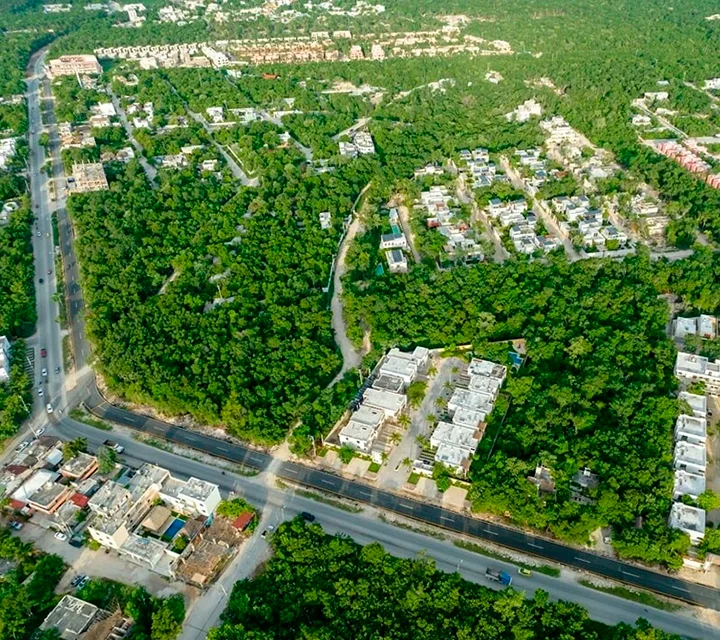
The Huayacán corridor has become one of the city’s most active residential areas. It includes gated communities, apartment developments, restaurants, schools, fitness studios, offices, and neighborhood services. Access to the airport and the Riviera Maya is attractive for residents who travel frequently or work along the southern corridor.
Properties range from compact apartments to large family homes. Long-term rental demand can be more relevant here than beachfront tourism demand. A community’s exact location matters because development has spread over a long distance. Buyers should test travel times during peak traffic, confirm road access, inspect drainage, and determine how close the property is to established services rather than proposed ones.
Supply is another consideration. When many similar units enter the market simultaneously, owners may compete on price. The best defenses are superior construction, a practical floor plan, covered parking, strong community maintenance, and proximity to daily necessities.
Downtown Cancun: established neighborhoods and practical access
Central areas such as Supermanzanas 11, 15, and 19 contain mature trees, homes, low-rise buildings, schools, hospitals, offices, and long-established services. These locations can attract residents who value centrality and larger layouts. They may also offer opportunities to renovate older properties.
Downtown investing requires block-by-block analysis. Conditions can change quickly between nearby streets. Inspect noise, lighting, sidewalks, drainage, parking, commercial activity, and the condition of neighboring buildings. For long-term rentals, practical convenience may produce more stable demand than resort-style amenities.
4. Choosing the Right Cancun Property Type
The asset class determines the buyer’s responsibilities, operating flexibility, and potential exit market. Comparing a condo with a house or a condo-hotel solely by purchase price overlooks important differences.
Condominiums
Condos are popular with foreign buyers because shared administration can simplify security, landscaping, pools, and exterior maintenance. They can also provide amenities that would be expensive to maintain individually. The tradeoff is dependence on the condominium association.
Before purchasing, review the condominium regime, bylaws, financial statements, reserve balance, insurance, meeting minutes, pending litigation, delinquency rate, and history of special assessments. Confirm what the monthly fee includes and whether utilities are individually metered. A low fee is not always positive if the association is postponing essential repairs.
Single-family homes
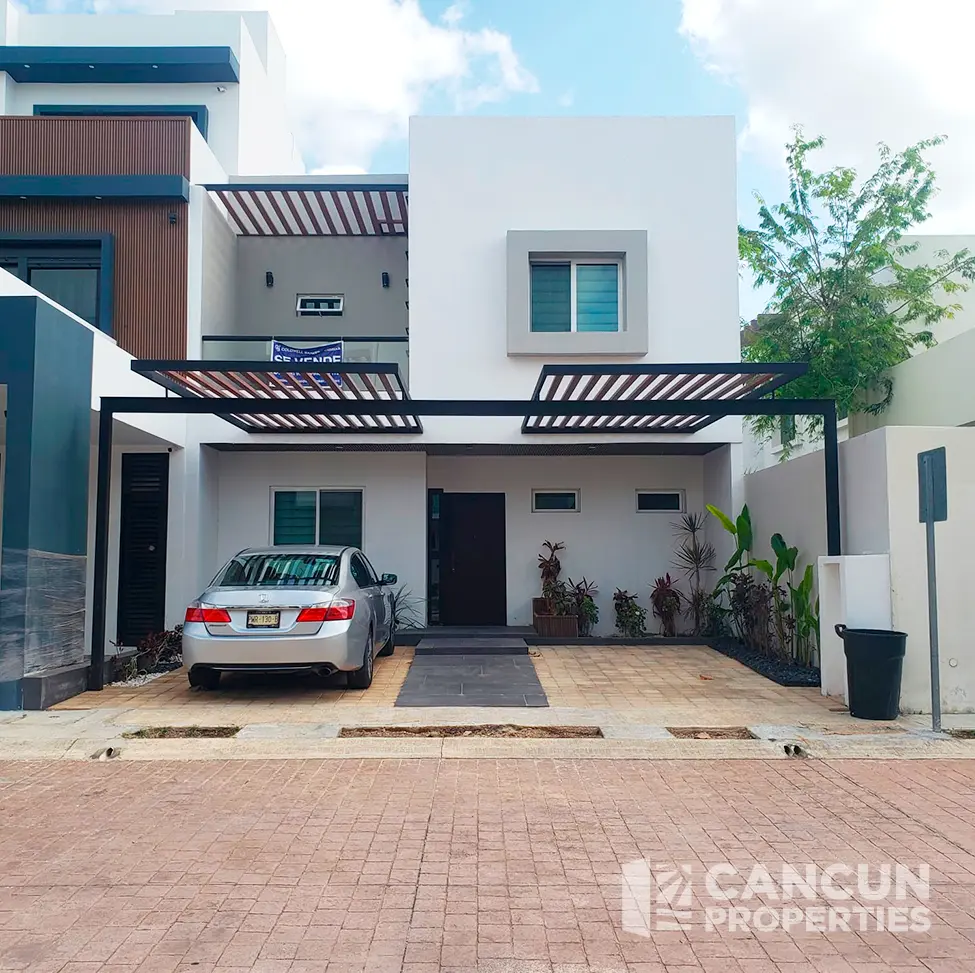
Homes can offer privacy, outdoor space, storage, and greater control over renovations. Gated communities may provide security and shared amenities while preserving the advantages of a private residence. The owner assumes more direct responsibility for the roof, waterproofing, pool, landscaping, pest control, and mechanical systems.
For rentals, houses can serve families and groups, but operating costs may be higher. Check parking, community access rules, guest registration, noise restrictions, and whether the homeowners association limits commercial or short-term use.
Pre-construction properties
Pre-construction can provide staged payments, customization, and potential price appreciation before delivery. Early buyers may receive lower list prices or preferred unit selection. In exchange, they accept construction, timing, financing, quality, and market risk.
The purchase should be based on verifiable documents: land ownership, permits, developer history, escrow or trust arrangements, construction schedule, specifications, cancellation provisions, delivery tolerances, and remedies for delay. Renderings are marketing materials, not proof of final quality. Contract language controls what the developer must deliver.
Turnkey and resale properties
A completed property allows the buyer to inspect the actual unit, building, view, light, noise, and finishes. A rental history may be available, although statements should be compared with platform records, bank deposits, tax filings, or management reports when possible. Immediate possession can shorten the path to personal use or rental income.
Resale purchases may also allow negotiation based on condition, seller motivation, and market time. Budget for inspections and renovation. Cosmetic staging can hide moisture damage, aging air conditioners, poor waterproofing, or plumbing problems.
Condo-hotels and managed rental programs
Condo-hotels blend individual ownership with hotel-style operation. Management may handle marketing, reservations, housekeeping, guest service, and maintenance. This can be convenient for absentee owners, but the contract deserves detailed review.
Study the revenue split, mandatory furniture package, owner-use limits, reserve requirements, marketing fees, replacement schedules, termination rights, reporting standards, and whether the operator guarantees anything. A “projected return” is not the same as a contractual guarantee. Evaluate the operator’s experience and the owner’s ability to sell the unit independently.
5. How Foreign Ownership Works in Cancun
Foreigners can obtain secure rights to real estate in Mexico, but coastal property is subject to a specific constitutional and statutory framework. Cancun lies within Mexico’s Restricted Zone, defined as land within 50 kilometers of the coast or 100 kilometers of an international border.
The fideicomiso for residential property
For a foreign buyer acquiring residential property in the Restricted Zone, the common structure is a real estate bank trust known as a fideicomiso. A Mexican bank serves as trustee and holds title under the trust, while the foreign buyer is named as beneficiary. The beneficiary can generally use, lease, improve, transfer, sell, or pass the beneficial rights to heirs, subject to the trust agreement, applicable law, permits, taxes, condominium rules, and other restrictions.
The trust is not a lease from the bank. The trustee acts according to the agreement and legal framework rather than using the property for its own benefit. Trusts may be authorized for up to 50 years and can be extended upon request. The buyer should review trustee fees, successor beneficiary designations, renewal procedures, bank service standards, and transfer costs.
Mexican corporations require careful analysis
A Mexican corporation may be appropriate for a genuine business operation, development project, or portfolio, but it should not be presented as an automatic shortcut for residential ownership. Official rules distinguish between non-residential and residential use in the Restricted Zone. Mexican companies with foreign investment may directly acquire qualifying non-residential property, while residential use can still require a trust structure. Classification depends on facts and current law.
Corporations also create accounting, tax, compliance, filing, governance, and closure obligations. Forming one solely because a salesperson says it is cheaper may create unnecessary expense. A Mexican attorney and accountant should compare the intended use, number of properties, rental operations, succession goals, and tax residency before recommending a structure.
The role of the Notario Público
A Mexican Notario Público is a government-authorized legal professional with responsibilities far beyond those of a typical notary in the United States or Canada. The notary formalizes the deed, calculates or coordinates certain taxes and fees, verifies essential transaction elements, and submits documents for registration.
The notary does not automatically replace the buyer’s independent attorney. Buyers benefit from counsel who represents only their interests, reviews contracts before signing, explains obligations in the buyer’s language, and coordinates due diligence. The developer, broker, closing coordinator, bank, and notary each have different roles.
Title, registry, and property status
Due diligence should establish the seller’s legal right to transfer the property and identify liens, mortgages, claims, limitations, or unpaid obligations. The file may include title documents, registry certificates, cadastral information, property tax receipts, water bills, condominium no-debt letters, permits, and identification or corporate authority documents.
Special care is required with land that has an agrarian or ejido history. Such property is not treated like ordinary private property until the necessary legal process is completed and properly registered. Buyers should never rely on possession, informal contracts, or future promises as substitutes for transferable private title.
6. The Cancun Buying Process, Step by Step
The sequence varies between resale and pre-construction transactions, but a disciplined process protects the buyer from preventable mistakes.
Step 1: Establish a budget based on total cost
Begin with the amount available for purchase, closing, furnishing, repairs, reserves, and at least several months of operating expenses. If the buyer needs financing, obtain realistic terms before selecting a unit. The maximum purchase price should not consume funds needed to complete or operate the property.
Step 2: Select independent professionals
Choose a qualified real estate adviser with local market knowledge, an independent Mexican real estate attorney, a tax professional familiar with cross-border ownership, and, when appropriate, an engineer or inspector. Verify identities, licenses or professional credentials where applicable, references, physical offices, and written engagement terms.
Step 3: Compare properties using the same criteria
Create a scorecard covering price per square meter, total price, closing costs, HOA fees, taxes, condition, furnishing budget, permitted rental use, distance to demand drivers, expected rent, management costs, insurance, view protection, and resale audience. This prevents emotion from dominating the decision.
Step 4: Submit a written offer
The offer should identify the property, price, payment method, deposit, due diligence conditions, inclusions, timeline, currency, and consequences if requirements are not satisfied. Furniture, appliances, parking spaces, storage units, memberships, and equipment should be described rather than assumed.
Step 5: Protect the deposit
Deposit practices vary, so buyers must understand who receives the funds, under what authority, and when they become refundable or non-refundable. A recognized escrow arrangement or other attorney-approved mechanism can reduce risk. Never transfer money based only on informal instructions, an unverified email, or a last-minute bank account change. Confirm instructions through an independent channel.
Step 6: Sign the promissory agreement
The Contrato de Promesa de Compraventa sets the commercial and legal framework before final closing. It should address price, currency conversion, payment dates, conditions, title status, default, penalties, possession, closing documents, dispute resolution, and the treatment of the deposit.
For pre-construction, it should also cover delivery date, extension periods, specifications, common areas, unit size tolerances, substitutions, warranties, assignment rights, cancellation, and remedies if the project is delayed or materially changed. Obtain a complete translation if the buyer cannot confidently read legal Spanish, while recognizing which language version controls.
Step 7: Complete legal and technical due diligence
The attorney and notary should examine title and registry status, while a technical professional evaluates physical condition when applicable. For a condominium, review governance and finances. For new construction, verify the project documents, land status, permits, and developer authority. For an existing rental, confirm that past operations complied with building rules and that financial records are supportable.
Due diligence should also examine:
- Property tax and water payment status.
- Existing mortgages, liens, lawsuits, or restrictions.
- Seller identity and marital or corporate authority.
- Boundaries, surface area, parking, storage, and appurtenant rights.
- Construction licenses, occupancy documents, and warranties.
- Environmental limitations where relevant.
- Condominium fees, assessments, insurance, and litigation.
- Utility capacity, internet service, drainage, and access.
- Rental rules and any required registrations or permits.
Step 8: Establish the trust when required
The bank and notary coordinate the trust application and necessary governmental permission. Processing times and fees vary. The buyer should confirm the bank, annual administration charge, beneficiary language, substitute beneficiaries, and instructions for future sale or inheritance.
Step 9: Prepare closing funds and verify the statement
Before closing, review a written statement showing purchase price, taxes, notary charges, trust costs, registry fees, adjustments, commissions if applicable, and amounts already paid. Confirm the source, destination, and currency of every transfer. Foreign exchange spreads and wire fees can materially affect the final amount.
Step 10: Sign, take possession, and preserve records
At signing, ensure names, property description, price, beneficiary information, and payment details are correct. Possession should be documented with keys, access devices, utility readings, inventory, condition photographs, manuals, warranties, and a signed delivery record.
Registration can take additional time after signing. Keep copies of the deed or trust instrument, receipts, tax records, contracts, invoices, permits, and proof of improvements. These documents can become critical when refinancing, selling, calculating taxes, filing an insurance claim, or resolving a dispute.
7. Costs, Taxes, Financing, and Currency
The purchase price is only one part of the investment. A realistic budget should separate acquisition costs, recurring fixed expenses, variable operating expenses, and future capital replacements.
Closing costs
Closing costs depend on price, structure, appraisal or taxable value, notary calculations, trust requirements, and transaction details. Buyers often use a broad planning allowance rather than a single fixed percentage, then request a property-specific estimate before signing. Depending on the transaction, costs may include acquisition tax, notary fees, registry charges, certificates, appraisals, permits, bank trust setup, legal review, and administrative expenses.
Recurring ownership expenses
Common expenses include property tax, trust administration, HOA fees, insurance, utilities, internet, maintenance, pest control, accounting, and property management. Rental owners must also budget for cleaning, linens, consumables, platform commissions, payment fees, repairs, guest support, and replacement of furniture or appliances.
Property taxes in Mexico can be lower than in many North American markets, but buyers should verify the actual bill rather than rely on a generalization. HOA fees may increase as a building ages, wages rise, insurance changes, or new maintenance needs appear.
Financing alternatives
Cash purchases remain common, particularly among international buyers. Financing may be available through Mexican banks, specialized cross-border lenders, developer payment plans, or equity from assets in the buyer’s home country. Each option has different interest rates, fees, qualification standards, currencies, and collateral risks.
Currency risk
Cancun properties are often marketed in U.S. dollars, Mexican pesos, or both. The enforceable payment terms and deed may use a stated currency or conversion method. If income, purchase funds, debt, and expenses are denominated in different currencies, exchange-rate movements can change the real return.
For example, a buyer earning dollars but paying peso-denominated operating costs may benefit when the peso weakens and pay more when it strengthens. A peso-denominated property price may also move differently from its dollar equivalent. Contracts should specify the applicable exchange rate, source, and date to avoid surprises.
Tax planning
Rental income and property sales can create tax obligations in Mexico and potentially in the owner’s country of tax residence. Ownership structure, deductible expenses, invoices, residency, treaty rules, and the manner in which rental platforms collect or report taxes may affect the result. Tax planning should occur before purchase, not only when the property is sold.
8. How to Analyze Rental Return Without Believing the Brochure
Investment projections should be built from conservative assumptions that can be tested. Gross revenue is not profit, and an advertised annual return may exclude important costs or assume unrealistic occupancy.
Start with a demand-based revenue model
For short-term rentals, estimate available nights, occupancy by season, average nightly rate, and discounts. Use comparable properties with similar location, bedrooms, condition, amenities, and review quality. Asking rates are not evidence of booked revenue. Historical performance from an existing unit is more useful when supported by records.
Gross rental revenue can be expressed simply:
Available nights × Occupancy rate × Average nightly rate = Gross room revenue
Then subtract platform fees, management, cleaning not paid by guests, utilities, internet, HOA fees, insurance, taxes, supplies, repairs, reserves, and financing. Personal-use dates must also be removed from inventory.
Use several scenarios
A responsible model includes at least three cases:
- Conservative: Lower occupancy and nightly rates, higher repairs, and a slower first year.
- Base case: Performance supported by comparable units and competent management.
- Optimistic: Strong reviews, professional pricing, favorable demand, and limited disruption.
If the investment only works in the optimistic case, the margin of safety is weak. Buyers should also test a hurricane closure, building repair, platform suspension, market slowdown, or several months of low occupancy.
Measure the correct return
Gross yield divides annual gross rent by purchase price. It is easy to calculate but ignores expenses. Net operating yield subtracts operating expenses before dividing by total acquisition cost. Cash-on-cash return compares annual pre-tax cash flow with the actual cash invested. An internal rate of return may incorporate future resale, financing, and timing, but it becomes highly sensitive to assumptions.
For a fair comparison, total investment should include closing, furnishing, initial repairs, and setup, not just the advertised price. A lower-priced unit may produce a better yield, while a premium unit may offer stronger resilience, personal value, or resale demand.
Avoid guaranteed-return confusion
Some developments advertise guaranteed returns for a limited period. Buyers should identify who guarantees the payment, where the obligation appears in the contract, whether it depends on completion, what expenses are deducted, and whether the purchase price has been increased to fund the guarantee. The guarantor’s financial capacity matters more than the marketing phrase.
9. Property Management and Guest Operations
For an absentee owner, management quality can determine whether a promising property becomes a dependable asset or a recurring problem. The manager is responsible not only for bookings but also for protecting the physical property and the owner’s reputation.
What a professional manager should provide
A written management agreement should define services, fees, authority, reporting, termination, and handling of funds. Responsibilities may include listing creation, photography, dynamic pricing, reservations, guest screening, check-in, cleaning, maintenance, emergency response, inventory, tax coordination, and monthly statements.
Owners should ask:
- Who responds to guests at night or during storms?
- How quickly are maintenance issues acknowledged?
- Who approves repairs and at what spending limit?
- Are owner funds held separately?
- Can the owner see platform calendars and statements?
- Who owns the listing and reviews if management changes?
- How are linens, supplies, damages, and deposits handled?
- What happens when the property is vacant for several weeks?
Seasonality and pricing
Cancun demand changes through the year. Winter travel, holidays, spring break, Easter, summer family travel, weather patterns, conferences, and flight capacity influence rates. A static nightly price leaves money on the table during strong periods and reduces occupancy during softer periods.
Dynamic pricing should be combined with minimum-stay rules, last-minute adjustments, advance-purchase premiums, and event awareness. Yet price alone cannot overcome weak reviews or misleading photos. Cleanliness, communication, comfortable mattresses, effective air conditioning, dependable internet, and an accurate listing are fundamental.
10. Tropical Climate, Insurance, and Resilience
Cancun’s Caribbean setting creates beauty and specific maintenance obligations. Sun, humidity, heavy rain, salt exposure, wind, and tropical storms can accelerate deterioration.
Physical inspection priorities
Inspect waterproofing, roof condition, windows, seals, balcony drainage, exterior cracks, electrical panels, plumbing pressure, air-conditioning systems, water heaters, pumps, and signs of mold or previous leaks. In coastal buildings, examine metal railings, fasteners, condensers, and equipment for corrosion.
Drainage deserves special attention. Visit after rain when possible, ask residents about flooding, and review whether parking, access roads, elevators, and mechanical rooms have been affected. For upper floors, assess wind exposure and window specifications. For ground floors, examine water entry and privacy.
11. Pre-Construction Due Diligence in Greater Detail
Pre-construction deserves a separate risk framework because the buyer is purchasing a contractual promise before receiving a finished asset.
Verify the developer and land
Review completed projects, delivery history, corporate entities, litigation, customer references, and the experience of the construction team. Confirm that the selling entity has legal rights to the land and authority to develop and sell the project. A well-known brand name does not eliminate the need to verify the specific company signing the contract.
Understand the payment schedule
Compare the deposit, monthly payments, milestone payments, and final balance with the construction timeline. Determine whether funds are protected, restricted to the project, or paid directly to the developer. Ask what happens if construction stops, financing fails, or delivery extends beyond the grace period.
Define what will be delivered
The contract and annexes should identify unit dimensions, finishes, appliances, parking, storage, common areas, amenities, furniture, and delivery condition. It should explain acceptable variations and substitutions. If rental operation depends on a rooftop, beach club, commercial area, or shuttle, confirm that the amenity is a contractual obligation rather than an aspirational rendering.
Plan for closing and setup
Delivery may trigger a large payment, closing costs, trust setup, furniture, utility deposits, HOA reserves, and initial maintenance. A buyer who budgets only for installment payments can face a significant cash shortfall at completion.
12. A Practical Cancun Property Evaluation Checklist
Before making an offer, a buyer should be able to answer the following questions clearly.
Location and demand
- Which specific guest, tenant, resident, or future buyer wants this location?
- What can that person reach within 10, 20, and 30 minutes?
- Are access roads, drainage, utilities, and nearby services operating today?
- Could future construction affect the view, noise, traffic, or privacy?
Legal and contractual
- Who legally owns the property and has authority to sell it?
- Is title privately held and properly registered?
- Are there liens, debts, claims, restrictions, or agrarian issues?
- Does the intended ownership structure fit residential or non-residential use?
- Are deposits protected and refund conditions written clearly?
- Do condominium rules permit the intended rental or occupancy?
Building and operations
- What is the true condition of the unit and common areas?
- Does the association hold adequate reserves and insurance?
- Are special assessments pending or likely?
- Who will manage the property, and can that manager document results?
- What annual amount should be reserved for replacements and repairs?
Financial performance
- What is the total cash required through closing and setup?
- Which assumptions support rent and occupancy estimates?
- What is the net return after every recurring expense?
- Does the investment remain viable under a conservative scenario?
- How long could the owner carry the property without rental income?
- What costs and taxes may apply when the property is sold?
If important answers remain vague, the buyer is not ready to transfer funds. The correct response is additional verification, not greater optimism.
Conclusion: Invest in Cancun With Discipline
Buying Cancun real estate can provide lifestyle enjoyment, rental income, diversification, or long-term value, but the strongest purchase is rarely the one with the boldest return projection. It is the one whose legal structure, location, physical condition, operating plan, and price have been examined carefully.
Start with a written objective. Compare neighborhoods according to the intended user. Calculate total cost instead of focusing on the advertised price. Verify rental rules before projecting income. Use independent legal, tax, and technical professionals. Protect deposits, document payments, inspect the property, review the association, and maintain adequate reserves.
Cancun offers properties for many strategies, from established beachfront condos and Puerto Cancun residences to family homes, downtown apartments, and pre-construction developments. Each can be appropriate for the right buyer. The advantage comes from knowing exactly why a particular property should perform, what could go wrong, and how those risks will be managed.
Paradise may inspire the purchase, but disciplined due diligence protects it.
Important notice: This guide provides general educational information and does not constitute legal, tax, investment, or financial advice. Buyers should obtain current, transaction-specific guidance from qualified professionals in Mexico and, when relevant, in their country of residence.