
For Buyers
Can foreigners legally buy property in Cancun, Mexico?
Yes. Mexican law permits foreigners to acquire and benefit from residential real estate in Cancun. Because Cancun is within the constitutionally defined restricted zone near the coast, an individual foreign buyer normally holds the beneficial rights through a Mexican bank trust, known as a fideicomiso. The bank appears as trustee in the deed, while the buyer is named as beneficiary and may use, improve, lease, sell or transfer the property subject to the trust, Mexican law and applicable permits. The exact structure must be confirmed by the closing Notario Público and the buyer’s independent legal and tax advisers.
What is a fideicomiso, and do I still control the property?
A fideicomiso is a Mexican bank trust authorized for foreign beneficiaries acquiring real estate in the restricted zone. The bank serves as trustee; it does not treat the home as its own asset. The deed and trust identify the foreign buyer as beneficiary and set out the rights to use and enjoy the property, collect rent, instruct a sale or transfer, and designate substitute beneficiaries. Under Mexico’s Foreign Investment Law, this type of trust may be authorized for up to 50 years and can be extended on request. Ask for the bank’s setup fee, annual fee, transfer rules and beneficiary wording before closing.
Do I need Mexican citizenship or residency to buy property in Cancun?
Mexican citizenship is not required to acquire property as a foreign buyer. Permanent residency is also not the same thing as permission to own real estate. However, the Notario Público, trustee bank and financial institutions will request identity, marital-status, address, tax and source-of-funds documents, and the exact list depends on the buyer and transaction. Immigration status can also affect practical matters such as local banking or financing. Tax residency is a separate question from immigration residency, so buyers planning to rent the property or spend substantial time in Mexico should obtain cross-border tax advice.
What are the main steps to buying real estate in Cancun?
First define the property’s intended use, total budget and preferred area. Then compare suitable listings and visit the strongest candidates in person or by live video. A transaction commonly moves through a written offer or reservation, a conditional purchase agreement, document collection, legal and physical due diligence, title and lien verification, a closing-cost estimate, trust authorization when required, signing before the Notario Público, payment under written instructions, and registration of the deed. Do not treat a reservation payment as a substitute for due diligence, and do not waive protective conditions merely to make an offer appear faster.
What due diligence should I complete before buying a Cancun property?
Confirm that the seller is legally entitled to sell and that the deed or trust matches the property offered. Review the Public Registry record, liens, mortgages, litigation or probate issues; current property tax, water and condominium dues; cadastral data, boundaries and measurements; land use, construction permits and regularization; condominium regime, bylaws, budgets and meeting minutes; and any rental restrictions. For land, verify private title rather than assuming ejidal rights are equivalent. For beachfront property, review federal-zone or concession issues where applicable. Presales require additional checks on the developer, land, permits, specifications, contract, guarantees and delivery obligations.
What does a Mexican Notario Público do, and should I also hire a lawyer?
A Mexican Notario Público is a specially authorized legal professional who formalizes the transfer, reviews required records and certificates, prepares or authorizes the public deed, calculates or collects applicable transaction taxes, and sends the deed for registration. The notario is essential to a valid closing but is not a substitute for every party’s advocate. An independent real estate lawyer can review the offer, purchase contract, trust, developer documents and risk allocation specifically for the buyer. The real estate adviser searches and negotiates; the lawyer advises the client; and the notario gives public faith to the transaction.
How much are closing costs when buying property in Cancun?
Closing costs vary with the purchase price, assessed values, property, buyer structure and notary estimate. As an early planning allowance, buyers often reserve approximately 5% to 8% of the purchase price for acquisition tax, notarial work, registration, certificates, appraisal and related closing items. A new bank trust, foreign documents, translations, powers of attorney, financing or title insurance may add costs, and the trust normally has an annual bank fee. This range is not a quote. Request a written, itemized estimate from the proposed Notario Público before the offer becomes unconditional.
Can foreign buyers obtain financing for property in Cancun?
Financing may be available through Mexican banks, specialist cross-border lenders, developers or a negotiated seller-financing arrangement, but approval, currency, rates, fees, loan-to-value ratios and documentation vary widely. Obtain an indicative approval before choosing a price range, and compare the total cost rather than the interest rate alone. Developer payment plans are not automatically mortgages and may have large balloon payments. A cash purchase can close more simply, but paying cash never removes the need for title review, a notarial closing, source-of-funds compliance and an independently verified payment trail.
How should I make an offer and pay a deposit safely?
Use a written offer that identifies the exact property, price, currency, included furniture or equipment, deposit, due-diligence period, closing date and conditions such as clean title, document approval and financing when applicable. The subsequent agreement should state who holds the deposit, the authorized account, when funds become non-refundable, what happens if title or documents fail review, and the remedies for buyer or seller default. Verify payment instructions independently through known contact details before every transfer. Do not send money to an individual or changed account merely because an email or messaging account requests urgency.
How long does it take to close on a Cancun property?
A resale with complete documents and no title problem may often move from accepted offer to signing in roughly 45 to 90 days. The timing can be shorter or longer depending on the Public Registry, certificates, foreign-investment permit and bank-trust processing, mortgage cancellation, financing, probate, corporate approvals, foreign powers of attorney or condominium documentation. A presale follows the construction and contractual delivery schedule instead. Ask the closing team for a transaction-specific timeline with document owners and dependencies; a promised date is not reliable until the title file has been reviewed.
Can I buy property in Cancun remotely?
Many stages can be handled remotely through video tours, electronic document review and a properly drafted power of attorney. The receiving Notario Público should approve the exact power before it is signed. Depending on where it is executed, the document may require notarization, an apostille or consular formalization, and certified Spanish translation. Remote buying makes independent inspection, title review, identity checks and verified wiring procedures more important, not less. Arrange a live walkthrough shortly before closing and document the condition, inventory, meter readings, keys and handover obligations.
Is it safe to buy a presale or preconstruction condo in Cancun?
A presale can be legitimate, but it carries construction, delivery, specification and developer-performance risks that do not exist in the same form with a finished resale. Verify the developer’s legal identity and authority, title or development rights over the land, permits, approved plans, condominium regime, unit identification, payment schedule, completion definition, delivery date, extensions, penalties, cancellation and refund rules, warranty, HOA assumptions and deed or trust timeline. For residential transactions covered by NOM-247-SE-2021, ask for the registered adhesion-contract details and compare the document presented for signature with the registered model. Never rely only on a brochure or projected return.
What should I review before buying a condo in Cancun?
Review the recorded condominium regime and bylaws, not only the unit. Confirm the unit, parking and storage identifiers; current dues and no-debt letter; operating budget and reserve fund; special assessments; building insurance; recent owners’ meeting minutes; pending litigation or major repairs; rules for rentals, pets, remodeling and occupancy; and responsibility for windows, terraces and shared systems. Compare the association’s finances with the age and amenities of the building. A low monthly fee can indicate deferred maintenance, while a high fee may be reasonable if it funds insurance, staffing and substantial services.
Can I operate a vacation rental or Airbnb in Cancun?
Possibly, but permission should never be assumed. Confirm the condominium bylaws and owners’ resolutions, municipal land-use and operating requirements, Quintana Roo tourism or lodging registrations that apply, platform rules, insurance coverage and Mexican tax obligations. Rules can differ by property and can change. Ask for written evidence of any advertised rental authorization and study actual comparable performance. A credible investment model deducts management, cleaning, platform fees, utilities, HOA dues, insurance, taxes, maintenance, replacements and vacancy from revenue. “Guaranteed ROI” claims require close examination of the guarantor, exclusions and payment security.
Which areas of Cancun are best for buying property?
The best area depends on use and budget. Cancun’s Hotel Zone suits buyers prioritizing resort access and beachfront inventory, but building rules and carrying costs deserve careful review. Puerto Cancun targets marina-oriented luxury and mixed-use living. Downtown Cancun offers year-round services and a local residential market, while the Huayacán corridor has newer communities with airport and road access. Costa Mujeres, north of the city, combines resort growth with newer residential projects. Puerto Morelos offers a lower-scale coastal setting south of Cancun. Compare legal status, flood and wind exposure, daily access, HOA costs and realistic rental demand—not just distance from the beach.
What should I verify before buying land in Cancun or Puerto Morelos?
Confirm that the seller holds transferable private title and do not assume possession papers or ejidal rights are equivalent to a registered private-property deed. Verify the Public Registry record, liens, cadastral identity, surveyed boundaries, legal road access, land use, density, environmental restrictions, clearing and construction permits, water and electricity availability, soil and drainage conditions, and the cost of bringing services to the lot. Review any subdivision or community obligations. Along the coast or in environmentally sensitive areas, federal-zone, mangrove, dune or impact rules may materially restrict what can be built.
How can I reduce the risk of real estate fraud in Cancun?
Use independently identified professionals, verify the seller and representative, obtain title and lien evidence through the formal closing process, and insist that the property and payment recipient match signed documents. Confirm every last-minute wiring change through a separate known channel. Treat below-market pressure, undocumented reservation fees, missing permits, unregistered ownership, guaranteed returns and demands to skip the notario as warning signs. Keep copies of advertisements, offers, contracts, receipts and bank confirmations. No listing website, agent badge or attractive showroom replaces legal, registry, financial and physical due diligence.
For Sellers
How do I sell a property in Cancun?
Begin with a title and document review, a market-based pricing analysis and a seller net-proceeds estimate. Agree in writing on the brokerage scope, commission, term, marketing, showing rules and authority to receive offers. Prepare the home and its legal file before launch. Once a qualified buyer submits an offer, negotiate price, currency, deposit, inclusions, due diligence and closing conditions. The closing team then verifies title and taxes, resolves liens or trust requirements, prepares the deed or assignment, coordinates funds, signs before the Notario Público and registers the transfer. Do not wait for an accepted offer to discover missing permits or tax-basis documents.
What documents do I need to sell real estate in Cancun?
The exact list comes from the Notario Público, but sellers should prepare the registered deed or complete fideicomiso, official identification, marital-status documents, RFC and tax-status information where applicable, proof of address, current property-tax and water receipts, cadastral information, condominium no-debt letter, and documents for parking or storage. Also gather construction permits or regularization records, mortgage statements and release instructions, invoices supporting acquisition cost or qualifying improvements, and corporate or power-of-attorney documents if relevant. Foreign documents may require an apostille or legalization and certified Spanish translation.
How should I price my Cancun property for sale?
Use current competing listings to understand buyer alternatives, but rely more heavily on recent comparable transactions and the property’s actual legal, physical and financial attributes. Adjust for location, view, floor, size, condition, furnishings, parking, amenities, HOA cost, rental restrictions, title readiness and time pressure. Decide how exchange-rate movement will be handled if marketing in U.S. dollars but closing obligations are calculated in Mexican pesos. An aspirational asking price can create stale inventory and repeated reductions. Request a written pricing range, recommended launch price and review schedule rather than a single unsupported number.
What costs does a seller pay in a Cancun property sale?
Seller costs can include brokerage commission plus applicable VAT, income tax on the sale, trustee-bank assignment or cancellation fees, mortgage payoff and lien-cancellation expenses, outstanding property tax, water or HOA balances, document updates, powers of attorney, translations and agreed repairs or credits. The contract may allocate some items differently, and a corporate seller follows different tax rules from an individual. Ask the proposed Notario Público and broker for a written seller net sheet before setting the final price or accepting an offer. Gross sale price is not the same as cash proceeds.
Will I pay capital gains tax when selling property in Mexico?
A sale can generate Mexican income tax, commonly called capital-gains tax in real estate discussions. For an individual, the Notario Público generally calculates the taxable result using the deeded acquisition value, allowable adjustments and documented deductions, then handles the required withholding or payment at closing. A residence exemption may be available only when all legal conditions and evidence are satisfied; it is not automatic, and tax residency, prior use and documentation matter. Companies are taxed differently. Obtain a transaction-specific written estimate early and preserve invoices for qualifying acquisition costs and improvements.
How much is real estate commission in Cancun?
Commission is negotiated rather than set by a universal rate. The listing agreement should state the percentage or amount, whether VAT is added, when the commission is earned and paid, the term, cancellation provisions, cooperating-broker split, marketing obligations and treatment of a buyer introduced during the agreement. Compare the entire service, not only the percentage: pricing advice, document readiness, photography, distribution, lead response, qualification, showing management, negotiation, transaction coordination and reporting all affect the result. A lower fee can cost more if the property is mispriced or poorly represented.
How is a foreign-owned property in a fideicomiso sold?
The transaction may involve assigning the existing beneficiary rights, terminating the current trust and creating another structure, or another route approved by the trustee bank and Notario Público. The correct method depends on the buyer, bank, remaining trust term, deed and property use. Request the bank’s requirements, fees and timing early; confirm that annual trust fees are paid and that beneficiary or marital-status information is current. The seller should not promise a closing date until the trustee and notario have reviewed the trust file and identified the required foreign-investment steps.
Can I sell a Cancun property that has a mortgage or lien?
Often yes, provided the debt and lien can be formally paid and released as part of or before closing. Obtain a current payoff letter, identify the creditor’s cancellation process, and confirm which original documents and representatives are required. The Notario Público must coordinate payment and registration so the buyer receives the agreed title status. Mortgages, tax liens, court orders and condominium debts do not all follow the same procedure. A lien can extend the timeline, so disclose it at the start and build the release steps into the contract and closing schedule.
Can I sell my Cancun property remotely, and how long will closing take?
A remote sale may be completed through a power of attorney drafted or approved by the receiving Notario Público. A foreign-signed power may need notarization, an apostille or consular formalization, and certified translation. After an offer is accepted, a document-ready resale often requires roughly 45 to 90 days to reach signing, but trust-bank actions, liens, probate, corporate approvals, missing permits, foreign documents or buyer financing can add time. Marketing time before the accepted offer is separate. Prepare the power and title file early rather than after a buyer is waiting.
How should I prepare and market a property for sale in Cancun?
Resolve obvious maintenance issues, deep-clean, declutter, neutralize personal items and define exactly what furniture, appliances, parking and storage are included. Assemble the legal and operating-cost file so serious buyers receive accurate answers quickly. Marketing should use professional photography, a measured floor plan when possible, honest location and condition details, a clear price and currency, monthly ownership costs, amenity and rental rules, and a direct inquiry path. Distribution matters, but consistent data, fast responses, qualified showings and follow-up reporting matter just as much. Never advertise permits, views, rental income or future amenities that cannot be supported.
Should I sign an exclusive listing agreement or use several agents?
A well-defined exclusive agreement can create one accountable source for pricing, presentation, lead management, cooperating-agent access and reporting. Multiple open listings can work, but duplicated advertisements, inconsistent prices, outdated details and unclear follow-up can reduce buyer confidence. Evaluate the agent’s plan, reporting cadence, photography, database reach, response standards and cooperation policy. Whatever model you choose, put the term, commission, VAT, termination, protected prospects, marketing permissions, offer handling and document responsibilities in writing. Exclusivity should buy measurable execution, not simply restrict the seller.
Can I sell a property that has a tenant or future vacation-rental bookings?
Possibly, but disclose every lease, deposit, management agreement and confirmed booking before accepting an offer. The contract should state whether the buyer assumes or receives the benefit of those arrangements, how deposits and prepaid rent are transferred, who handles cancellations, and when possession is delivered. Review tenant-notice and contractual rights with Mexican counsel; do not promise vacant possession if it cannot legally or practically be delivered. Provide an accurate income-and-expense history, while making clear that past rental performance is not a guarantee of future results.
How do foreign sellers receive and transfer their sale proceeds?
The purchase agreement and closing instructions should identify the currency, payment route, authorized recipient, bank details, timing, taxes, lien payoffs and proof of payment. Sellers should confirm in advance that their receiving bank can accept the transfer and what compliance documents it may request. Keep the deed, notarial tax calculation and payment receipts, acquisition records, trust statements and bank confirmations. Exchange rates and intermediary-bank fees can affect the final amount. Ask the Notario Público, tax adviser and receiving bank how the transaction should be documented before funds move across borders.

Find your perfect property
with expert guidance.
Cancun, Quintana Roo, Mexico
Properties
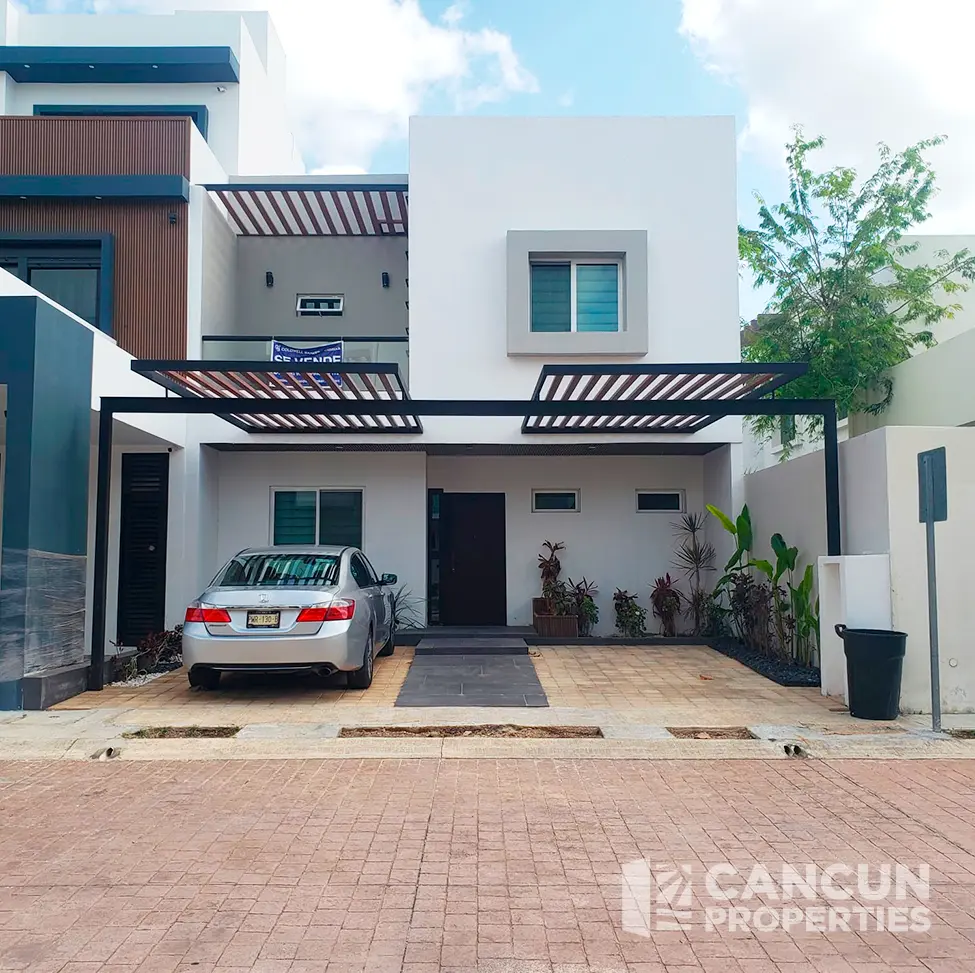
4 Bedroom House for Sale in Río Residencial, Cancun
From $4,950,000 MXN

1 Bedroom Beachfront Loft Condo at Puerto Morelos
From $9,325,385 MXN
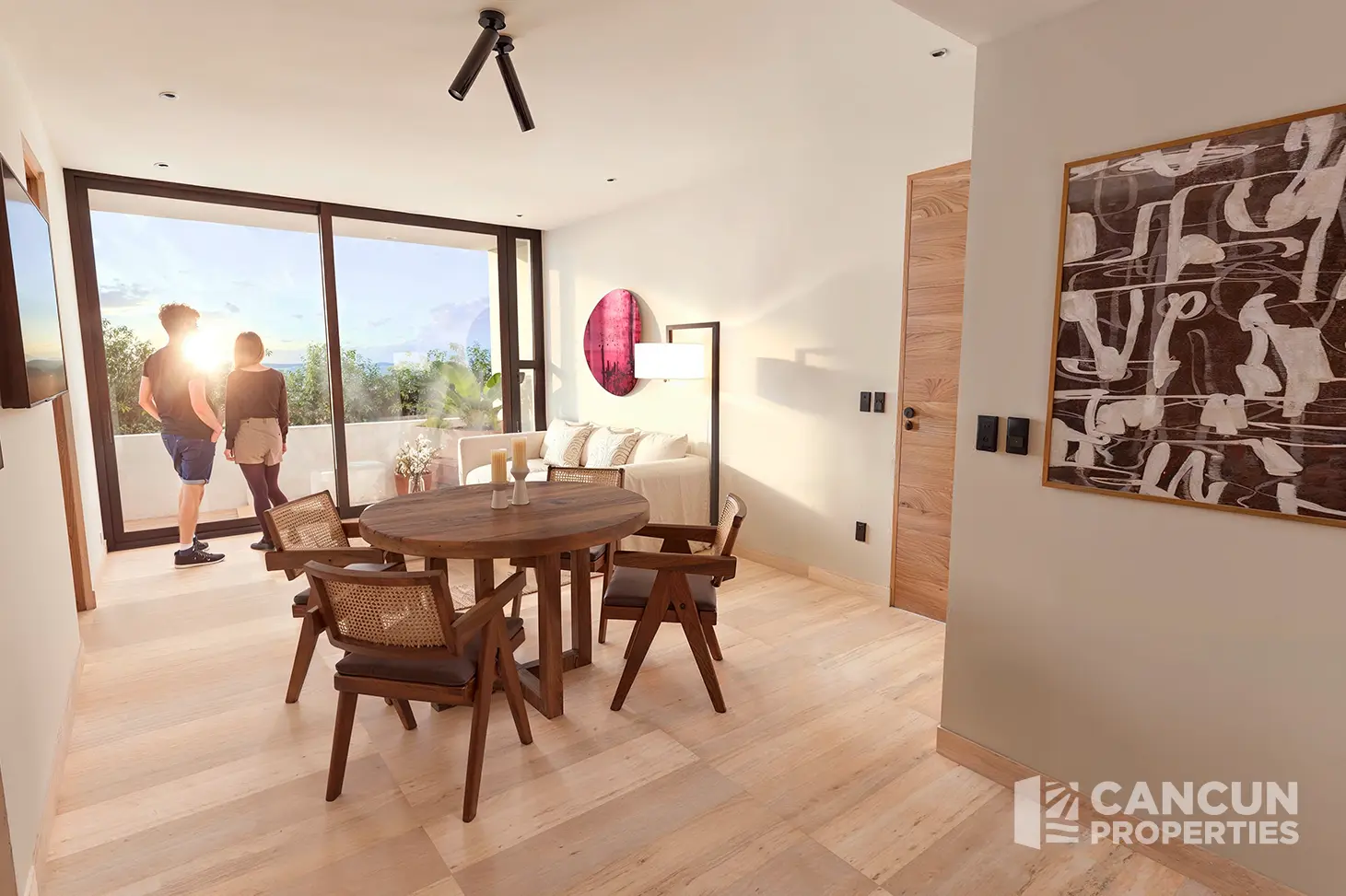
3 Bedroom Condo for Sale in Cancun Esther Wow Condos
From $6,973,000 MXN
Let's Talk
Book your personal meeting with our real estate experts and find your perfect home.
